31 Aug 2026
UK Betting Sector Encounters Mounting Political and Local Resistance

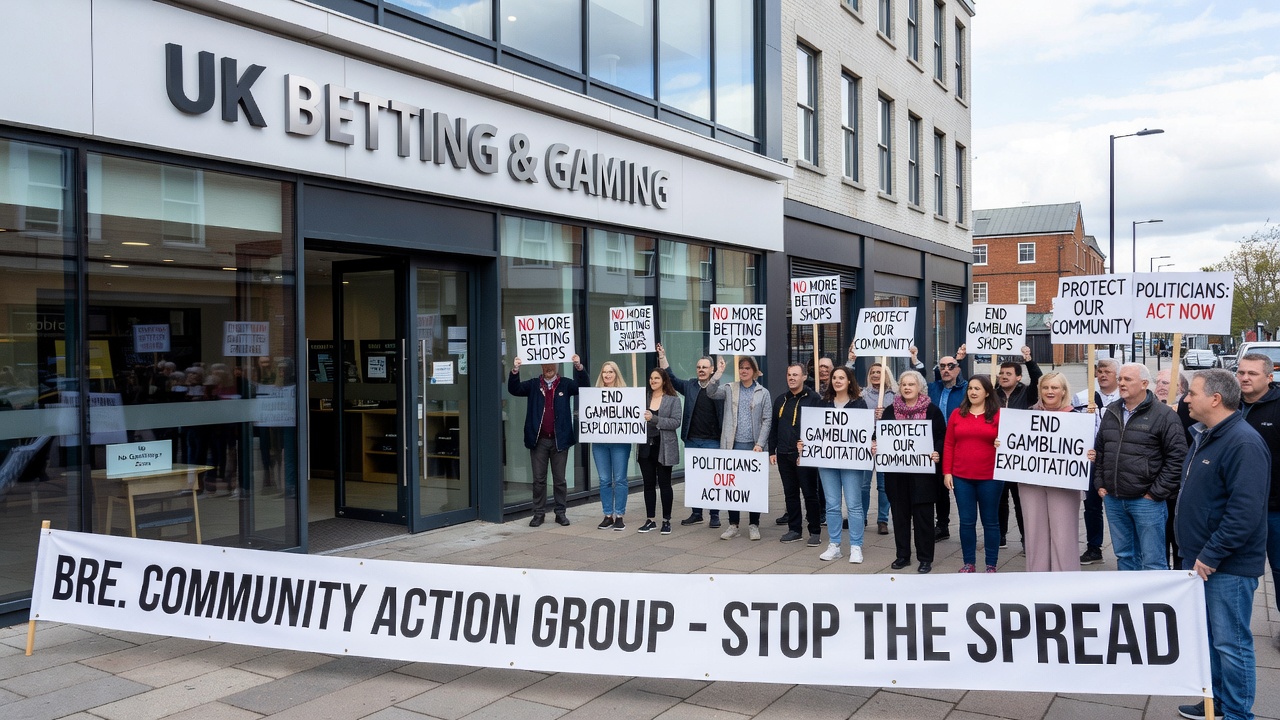
The UK betting and gambling sector now contends with increasing political and community pushback, particularly in areas like Brent in north-west London where high concentrations of betting shops and slot arcades have drawn sustained attention from local politicians and MPs, and these campaigns have contributed directly to broader policy adjustments at the national level.
Concentrations in Specific Localities
Brent has emerged as one focal point where observers note dense clusters of premises, prompting elected representatives to highlight potential harms and press for tighter controls, while similar concerns have surfaced in other regions though Brent receives prominent mention in recent coverage. Local campaigns have emphasised the cumulative impact of multiple sites operating in close proximity, and data on premises distribution continues to inform these discussions without resolving underlying debates over licensing criteria.
Policy Shift in August 2026
Earlier in August 2026 the government scrapped the “aim to permit” provision that had previously guided licensing decisions toward allowing new premises, and this change followed sustained pressure from MPs and local authorities who argued that the prior framework insufficiently accounted for community impacts. The removal of the provision alters the decision-making environment for operators seeking new licences or renewals, while existing premises continue to operate under the revised approach that no longer prioritises permission as the default stance.
National Decline in Betting Shop Numbers
Across the country betting shop numbers have fallen markedly from 9,128 in 2012 to 5,789 in 2025, and this contraction reflects closures implemented by operators including Betfred and Evoke amid the evolving regulatory and market conditions. Figures reveal a steady downward trend over more than a decade, yet the reduction in total outlets coincides with reports of rising revenue per remaining shop, indicating that surviving locations may generate higher individual returns even as overall counts decrease.
Operator Adjustments and Revenue Patterns
Betfred and Evoke have executed multiple closures as part of broader portfolio reviews, and these moves align with the national pattern of fewer physical locations while revenue metrics per shop show upward movement according to available industry data. Observers note that operators have concentrated resources on higher-performing sites, and the resulting consolidation has produced a smaller network that nevertheless sustains elevated per-premises income. The combination of fewer shops and stronger individual revenue streams shapes the current commercial landscape, while political opposition continues to influence future expansion plans.
Interplay Between Local Campaigns and National Policy
Campaigns in Brent and elsewhere have fed into the decision to eliminate the “aim to permit” guidance, and the resulting policy adjustment now applies uniformly while local authorities retain scope to scrutinise individual applications more rigorously. Data on shop concentrations and closure trends supplies context for these developments, yet the precise weighting of community representations versus commercial factors remains subject to ongoing interpretation by licensing bodies. Those who have tracked the sector note that the August 2026 change marks a departure from the previous default stance, and the shift occurs against the backdrop of declining shop numbers and rising per-shop revenue.
Conclusion
The described developments illustrate a period of contraction and policy recalibration within the UK betting sector, with Brent serving as an illustrative case of local opposition that contributed to the removal of the “aim to permit” provision in August 2026. National statistics show shop numbers dropping from 9,128 in 2012 to 5,789 in 2025 alongside closures by Betfred and Evoke, while revenue per shop has risen during the same timeframe, and these elements together define the factual parameters of the current situation without indicating future trajectories.